SHANGRALA'S
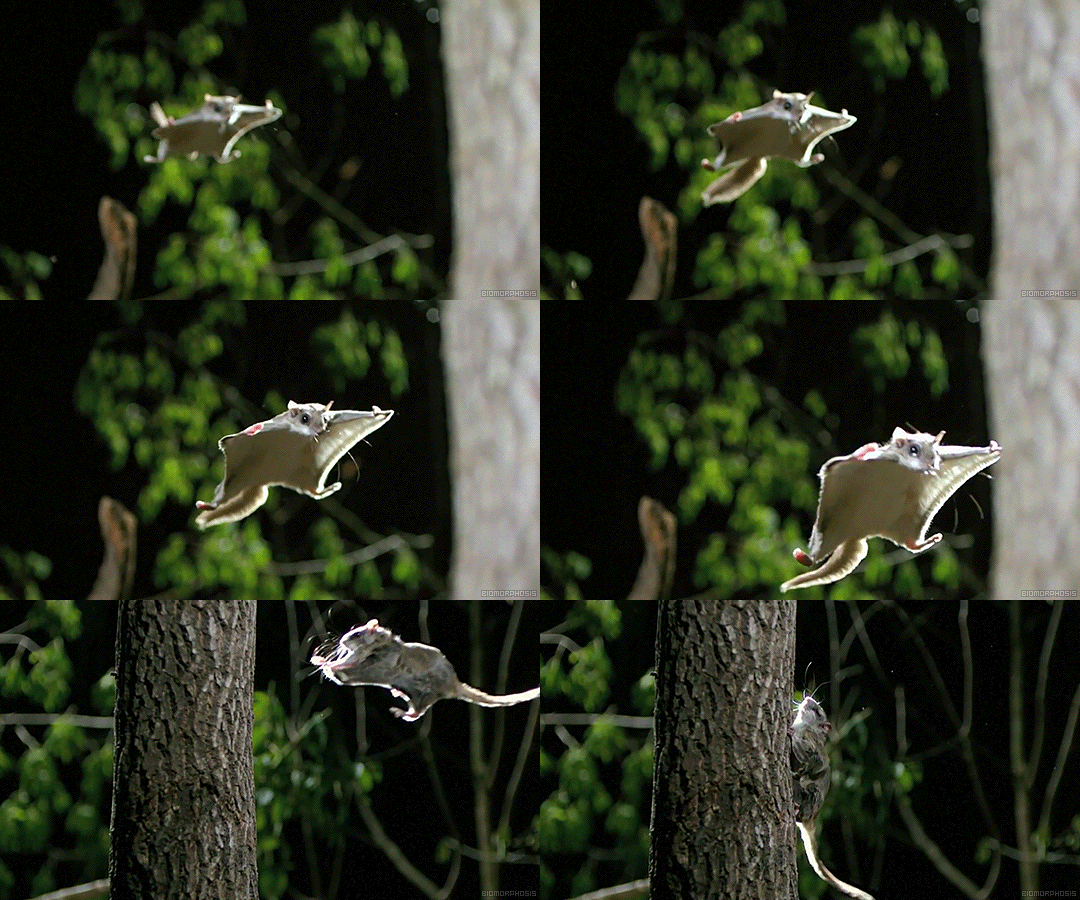
UNUSUAL
NIGHT
CREATURES!

A hidden world comes to life, teeming with extraordinary creatures that
venture forth under the cloak of darkness. While the day belongs to the
familiar faces of nature like the above flying squirrel, the night
unveils a tapestry of enigmatic beings that stir the imagination and
defy conventional expectations.
These peculiar beings, ranging from stealthy predators with piercing
night vision to idiosyncratic inhabitants equipped with remarkable
survival strategies, grant us access to a realm shrouded in obscurity - a
world seldom seen by human eyes.
Flying Squirrel Image
Here Are Some Abnormal Night Dwellers. Enjoy! :)
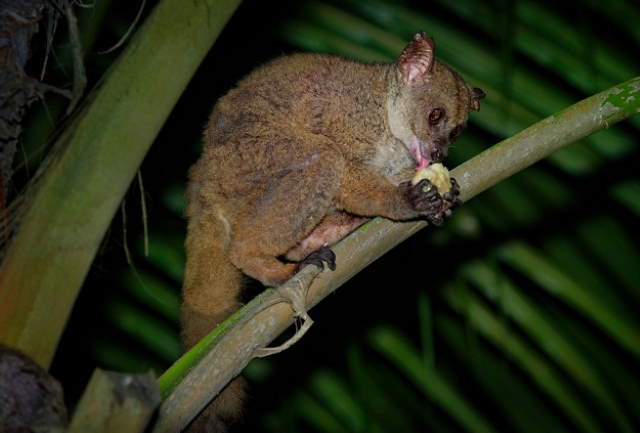
The small-eared Galago, scientifically known as Galago moholi,
is a fascinating primate that calls Africa its home. Commonly
referred to as the bush baby, this diminutive mammal captivates
with its unique characteristics and impressive abilities.
With an average height of about 11 inches tall and weighing only two
pounds, the Small-eared Galago might be tiny in size, but it
compensates with its exceptional vertical leaping prowess.
Astonishingly, these agile creatures can effortlessly launch
themselves up to an astonishing height of six feet, making them
true masters of the aerial domain.
This remarkable feat is made possible by their specialized leg
muscles and long, slender limbs, which provide them with the
necessary power and leverage for their impressive jumps.
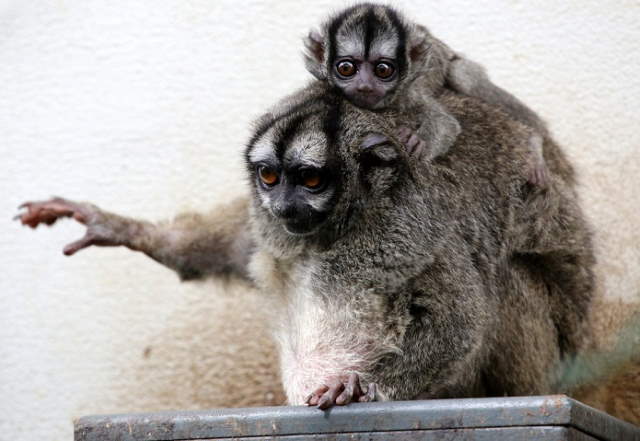
Night monkeys, also known as owl monkeys or douroucoulis, are captivating
creatures that inhabit the dimly lit rainforests of Central and South America.
Unlike most primates, these arboreal wonders have adapted to lead a
predominantly nocturnal lifestyle, navigating the dense canopy under the cover
of darkness.
Their large, forward-facing eyes are specifically designed to gather the
slightest traces of moonlight, enabling them to spot prey and avoid
predators in the shadows.
Using their distinctively haunting calls that reverberate through the night,
these small, agile monkeys establish tight-knit social bonds and rely on
their sharp hearing and an acute sense of touch to thrive in their
secretive world.
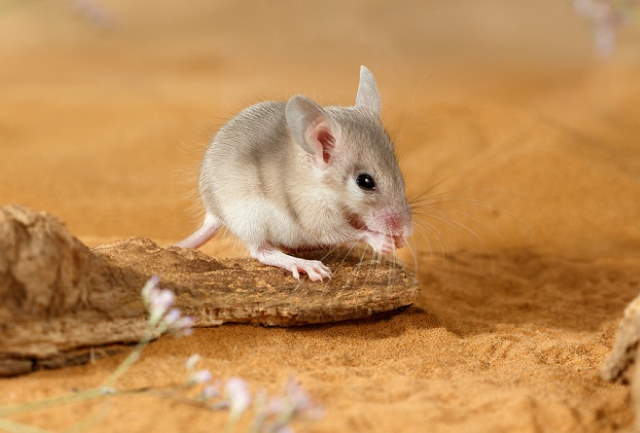
The spiny mouse is found in the arid regions of Africa and Asia. This small
rodent possesses a distinctive feature: its coarse fur is interspersed with
sharp spines, serving as a formidable defense against predators. While its
prickly exterior is impressive, the spiny mouse's ability to thrive in harsh
environments is equally remarkable. It has evolved to conserve water,
hydrating primarily from the food it consumes.
Furthermore, this resourceful mouse has the extraordinary ability to shed and
regrow its skin, a mechanism that helps it heal its wounds and escape predators.
The spiny mouse exemplifies nature's ingenuity, adapting to its nocturnal
existence with incredible resilience.
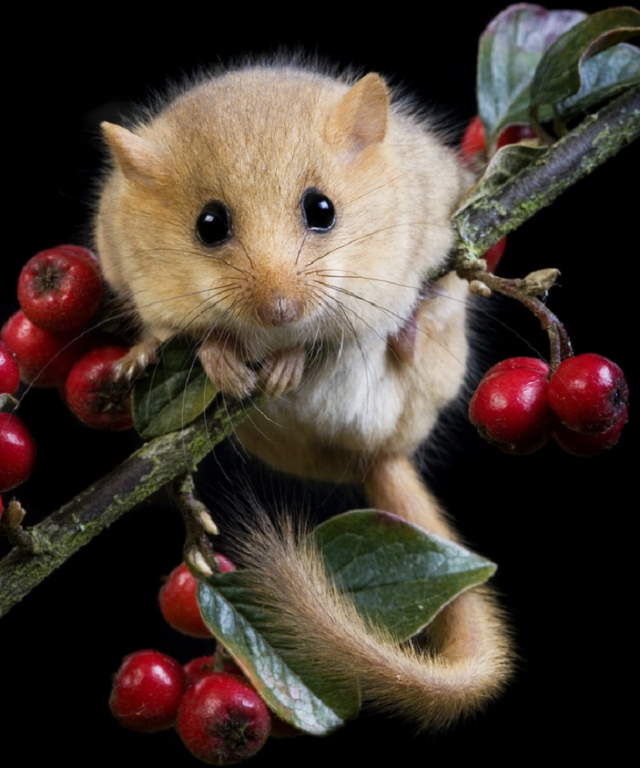
Dormice are adorable mouse-like rodents inhabiting the woodlands of Africa, Asia,
and Europe. They are primarily active during the night, exhibiting their
characteristic cuteness. These tiny creatures often scurry along tree branches,
foraging for a diverse diet consisting of fruits, flowers, nuts, and insects.
While dormice are nocturnal, their nighttime activity is limited to a brief
period, as they are known to hibernate for extended durations, sometimes up to
half a year. These charming creatures can reach lengths of up to 8 inches at
their largest, while the smallest individuals measure a mere 2 inches.
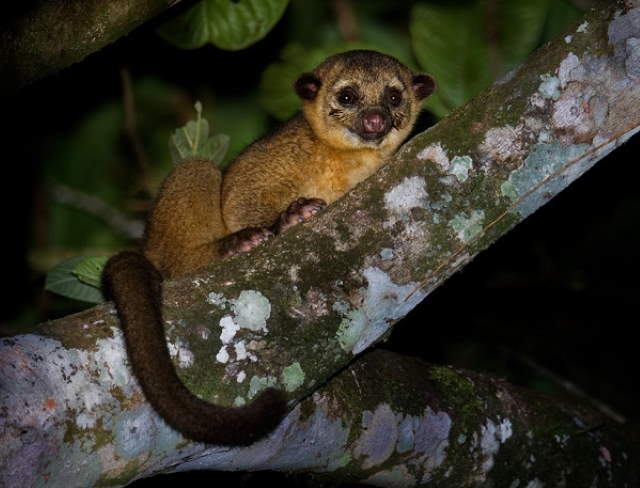
The kinkajou, commonly called the 'honey bear,' is indigenous to Central and
South America. Despite its charming nature, this captivating creature remains
elusive to human observation due to its strictly nocturnal behavior. Under
the cover of darkness, it gracefully ascends trees in search of nourishment,
where it has a particular fondness for delectable fruits such as figs. While
the desire to witness this enchanting species in its natural habitat is
common among many, encountering the kinkajou proves to be a rare occurrence
as it roams the treetops exclusively at night.
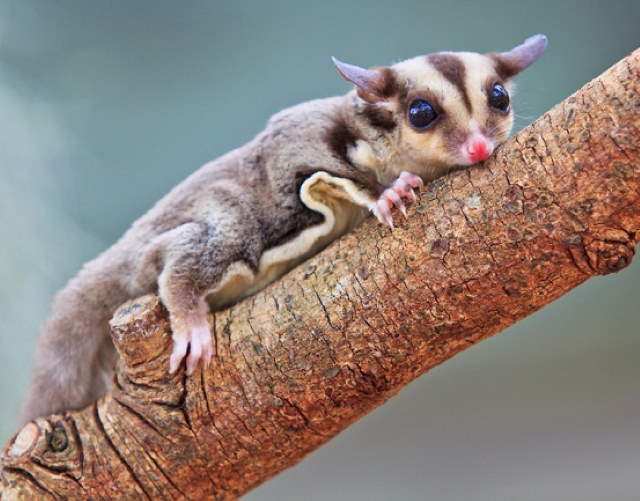
The sugar glider, a small gliding possum, is another fascinating creature of
the night. Known for its preference for sugary foods and ability to glide
through the air like a flying squirrel, this omnivorous and arboreal mammal
rarely ventures to the ground.
A distinguishing characteristic of this creature is its flexible patagium,
a soft membrane extending between its wrists and ankles. This unique
adaptation allows it to navigate between trees with elegance and ease.
These agile 'wrist-winged gliders' can effortlessly traverse distances
almost as wide as a football field. Their remarkable aerial skills are
enhanced by their wide field of vision, which helps judge distances and
glide ratios. With careful adjustments of their hands, arms, and bushy
tails, sugar gliders expertly maneuver toward their intended destinations
in the treetops.
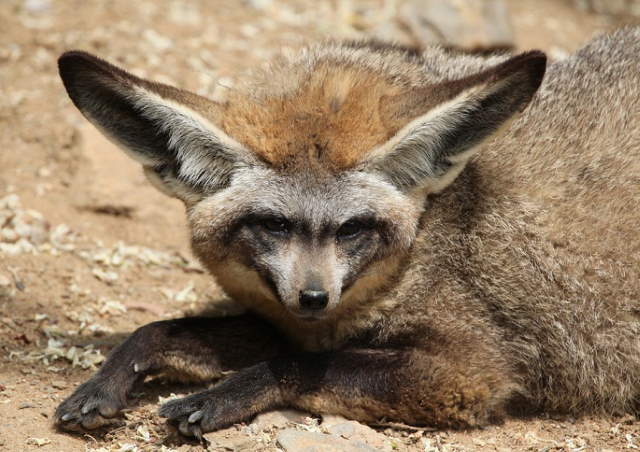
The bat-eared fox is a small fox native to Africa. Its instantly recognizable
for its disproportionately large ears, exceeding 5 inches (13 centimeters) in
height. These oversized appendages play a vital role in maintaining the fox's
temperature, allowing it to dissipate heat through an intricate network of
blood vessels. These colossal ears also contribute to the fox's exceptional
hearing, enabling it to detect even beetle larvae hatching from dung balls
with remarkable accuracy.
Survival is an art for these little guys, who rely on their unparalleled agility
and speed to outsmart predators. Their remarkable ability to change course
while maintaining a lightning-fast pace leaves would-be attackers confounded.
The bat-eared foxes are predominantly nocturnal, with a staggering 85 percent
of their activity taking place under the cover of darkness. As twilight
descends, these elusive foxes emerge from their dens, venturing out to forage
and hunt throughout the night.
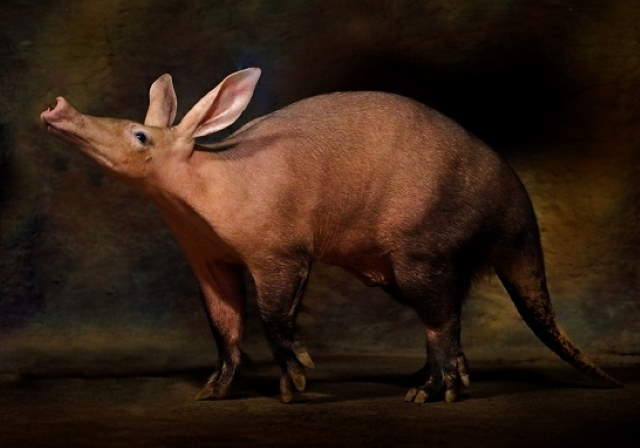
The aardvark is an indigenous African mammal. While many think of it as an
ant eater, and both of these animals love insects, they're two totally
different species. The aardvark is a medium-sized night creature known for
its nocturnal, burrowing lifestyle. Occupying diverse habitats across
Africa, predominantly below the Sahara desert, these solitary animals retreat
to subterranean burrows during scorching daylight hours, seeking respite from
the intense African sun. As dusk descends and temperatures cool, the aardvark
emerges to forage for sustenance.
Its name, originating from the Afrikaans language in South Africa, translates
to 'Earth Pig,' alluding to its elongated snout and pig-like physique.
Surprisingly, aardvarks emerge as the last remaining members of their animal
clan, distinct from their previously presumed relatives such as armadillos
and pangolins. Recent studies have unveiled that elephants are their closest
living counterparts, establishing a newfound understanding of their evolutionary
relationships.

Share These Amazing Creatures
With All Your Family And Friends! :)


SEE ALSO: Rare Animals!
^BACK To TOP^
For those of you who Want More FUN - Visit The Shangy Fun List! Variety is the
spice of life! The Shangy Fun List is an ezine packed full of Poems, Inspirational and
Heart Warming Stories. Jokes from G to slightly R, and Anything else that just
might make you SMILE! Join In The Free FUN!! ... :)
Yes! Click Here To GO TO THE ARCHIVES!-

Share This Page!
If you are looking for more, here are some good places to start:

Slow Loris!-
Red Panda!-
Bizarre Nature 4!-
Real Angry Birds!-
Beautiful Starfish!-
Begging Squirrels!-
Natural Show-Offs!-
Dangerous Critters!-
Great Horned Owls!-
Rhinoceros Hornbill!-
Comedy In Nature 5!-
Elephant Salt Miners!-
Great Eared Nightjar!-
Endangered Primates!-
Beautiful Exotic Birds!-
Sushi The Shoebill Stork!-
Most Intelligent Animals!-
Underwater Life Of Eilat!-
Amazing Albino Animals!-
Incredible Wildlife Photos 5!-
A-Z Animated Pictures!-


 -To SHANGRALA-
Special THANKS Goes To LINDA And KAREN FRANKLIN For Sharing This WIth Us.

Copyright © 1996 Netscape Communications Corporation. Mozilla is
a trademark of Netscape Communications Corporation.
Note: This is an Unofficial God, Jesus Christ, Family, & Cartoon Fan Site.
© All graphics representing Disney characters are copyrighted by Disney.
Likewise all other graphics & music Copyright © by their own Individual Artists.
I do not own any graphics on this site. If you do, please notify me
and I'll give
you proper credit, a link, or remove it immediately according to your wishes.
~*~ Copyright © 1997-2024 Elrhea M. Bigham ~*~